


Latest Industrial Park Land Rental Prices in 2026: A Detailed Regional Update
Industrial park land rental prices are among the most important factors businesses need to consider when looking for a suitable location to build a factory, warehouse, or production facility. So, how much does it cost to lease industrial park land in Vietnam today? What factors affect industrial land rental costs? This article provides a detailed overview.
1. How Much Does Industrial Park Land Cost to Lease?
Industrial park land rental prices in Vietnam vary significantly from one region to another. Areas located near major economic centers, seaports, airports, expressways, and logistics hubs generally command higher rental rates.
Rental prices also depend on several factors, including the specific location within an industrial park, infrastructure quality, the size of the leased area, the remaining lease term, and the services provided by the industrial park developer.
1.1 Industrial Park Land Rental Prices in Northern Vietnam
Northern Vietnam is currently one of the country’s key investment destinations for electronics, high-tech manufacturing, precision engineering, and supporting industries. Its strategic geographical location, particularly its strong connectivity with China and major manufacturing centers across the region, continues to drive strong demand for industrial land.
The provinces and cities with high demand for industrial park land include:
- Hanoi
- Bac Ninh
- Hai Phong
- Hung Yen
- Hai Duong
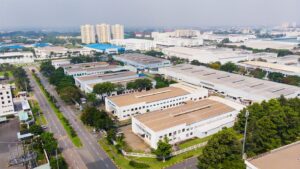
Depending on the location, scale, and infrastructure quality of each industrial park, land rental prices in Northern Vietnam generally range from USD 130 to USD 250 per square meter for the entire lease term. Industrial parks located near expressways, seaports, or major logistics hubs often have higher rental rates than the regional average.
1.2 Industrial Park Land Rental Prices in Central Vietnam
Compared with Northern and Southern Vietnam, the Central region still has a relatively large supply of industrial land. This creates favorable conditions for businesses planning to invest in large-scale factories and production facilities. Land rental and overall investment costs in many areas are also more competitive.
Some of the region’s key industrial locations include:
- Da Nang
- Quang Nam
- Nghe An
- Thanh Hoa
- Binh Dinh
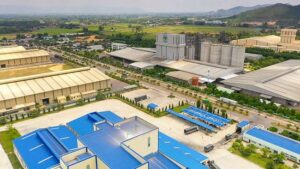
Industrial park land rental prices in Central Vietnam generally range from USD 50 to USD 120 per square meter for the entire lease term. However, actual prices may vary depending on the location, project scale, infrastructure development, and transportation connectivity.
For businesses requiring large land areas, seeking to optimize initial investment costs, and planning long-term operations, Central Vietnam can be a worthwhile option to consider.
1.3 Industrial Park Land Rental Prices in Southern Vietnam
Southern Vietnam remains the country’s largest industrial manufacturing hub, supported by a well-developed network of industrial parks and a relatively complete ecosystem of businesses, suppliers, and supporting industries.
The areas with the highest demand for industrial land include:
- Ho Chi Minh City
- Binh Duong
- Dong Nai
- Long An
- Ba Ria – Vung Tau
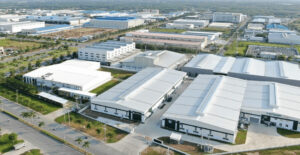
In general, industrial park land rental prices in Southern Vietnam range from approximately USD 180 to USD 350 per square meter for the entire lease term. For industrial parks located near Ho Chi Minh City, major transportation routes, or large seaports, rental prices may exceed USD 400 per square meter.
Although land rental costs are higher than in many other regions, Southern Vietnam remains a popular choice for businesses due to its strong industrial ecosystem, abundant workforce, established supply chains, and excellent connectivity to major markets.
2. Factors Affecting Industrial Park Land Rental Prices
Industrial park land rental prices are not fixed. They are influenced by various factors that businesses should carefully evaluate before making an investment decision.
Geographical Location: is one of the most important factors affecting industrial park land rental prices. Industrial parks located near major transportation hubs generally have higher rental rates because they offer significant advantages for transporting raw materials and distributing finished goods.
Key factors commonly considered by businesses include:
- Distance to international seaports
- Connectivity to airports
- Proximity to expressways and national highways
- Distance to major logistics centers
- Connectivity to major cities and consumer markets
A strategic location can help businesses shorten transportation times, reduce logistics costs, and improve overall operational efficiency in the long term.
Infrastructure Quality: is another key factor that determines the value of an industrial park. Industrial parks with well-planned and fully developed infrastructure generally have higher rental rates. However, they can also help businesses reduce their initial investment in essential facilities and infrastructure.
Key infrastructure elements to consider include:
- Internal road systems
- Stable electricity supply
- Water supply and drainage systems
- Centralized wastewater treatment plants
- Telecommunications and internet infrastructure
- Fire prevention and firefighting systems
- Lighting systems and other supporting utilities
Occupancy Rate: The industrial park occupancy rate has a direct impact on land rental prices. When the remaining land supply is limited while demand remains high, rental prices tend to increase due to reduced availability.
By contrast, newly developed industrial parks or those with a large amount of vacant land may offer more competitive rental rates to attract new investment projects.
Remaining Lease Term: The remaining lease term is another factor businesses should carefully consider when evaluating investment efficiency. A longer remaining lease term provides businesses with more time to operate, generate returns, and recover their investment.
Therefore, when comparing rental prices between industrial parks, businesses should not focus solely on the price per square meter. They should also consider:
- The remaining lease term
- Payment terms
- Lease extension conditions
- The rights and obligations of the tenant
Investment Incentive Policies
Investment incentive policies can also have a significant impact on a company’s total investment costs. Depending on the business sector, project scale, and investment location, businesses may be eligible for various incentives and support policies under applicable regulations.
These incentives may include:
- Corporate income tax exemptions or reductions
- Import tax exemptions for machinery and equipment
- Support with investment procedures
Such incentives can help businesses reduce their overall investment and operating costs.
3. Additional Costs of Leasing Industrial Park Land
One of the most common mistakes businesses make when planning an investment is focusing solely on the land rental price without fully accounting for additional expenses. In reality, the total cost of using industrial land may include a range of other costs.
Infrastructure Management Fees
Infrastructure management fees are typically calculated based on the leased land area. These fees are used to maintain and operate the shared infrastructure systems within the industrial park.
The typical fee ranges from approximately USD 0.3 to USD 1 per square meter per year, depending on the industrial park and the services provided.
Wastewater Treatment Fees
Businesses that generate wastewater during their production activities are generally required to pay wastewater treatment fees in accordance with the regulations of the industrial park.
The actual fee may depend on factors such as:
- Wastewater volume
- Wastewater characteristics
- Pollution levels
- Actual treatment capacity
Electricity and Water Costs
Electricity and water costs depend on the business sector, factory scale, and operating capacity. Manufacturing businesses that use large amounts of machinery and high-capacity equipment should pay particular attention to the stability of the power supply and the industrial park’s available capacity.
Factory Construction Costs
After leasing the land, businesses must also invest in constructing a factory or production facility. These costs may include:
- Design costs
- Construction costs
- Industrial electrical system costs
- Fire prevention and firefighting systems
- Water supply and drainage systems
- Machinery and equipment
- Factory finishing and commissioning costs
Depending on the project scale and technological requirements, construction costs can account for a significant proportion of the project’s total investment capital.
Legal and Regulatory Costs
Businesses should also budget for expenses related to legal and regulatory procedures, including:
- Investment registration and licensing
- Construction permits
- Environmental documentation
- Environmental impact assessments
- Fire prevention and firefighting appraisal and acceptance
- Other relevant legal procedures
Preparing complete documentation and following the correct procedures from the beginning can help businesses minimize unexpected costs and avoid delays during project implementation.
4. Conclusion
Industrial park land rental prices depend on various factors, including location, infrastructure quality, the remaining lease term, and market demand. Carefully researching rental rates, additional costs, and the development potential of each region can help businesses make more effective investment decisions and optimize their budgets over the long term.
If you are looking for suitable industrial park land to build a factory or expand your production operations, conducting an on-site survey and consulting professional advisors can help you identify the most suitable and cost-effective solution.
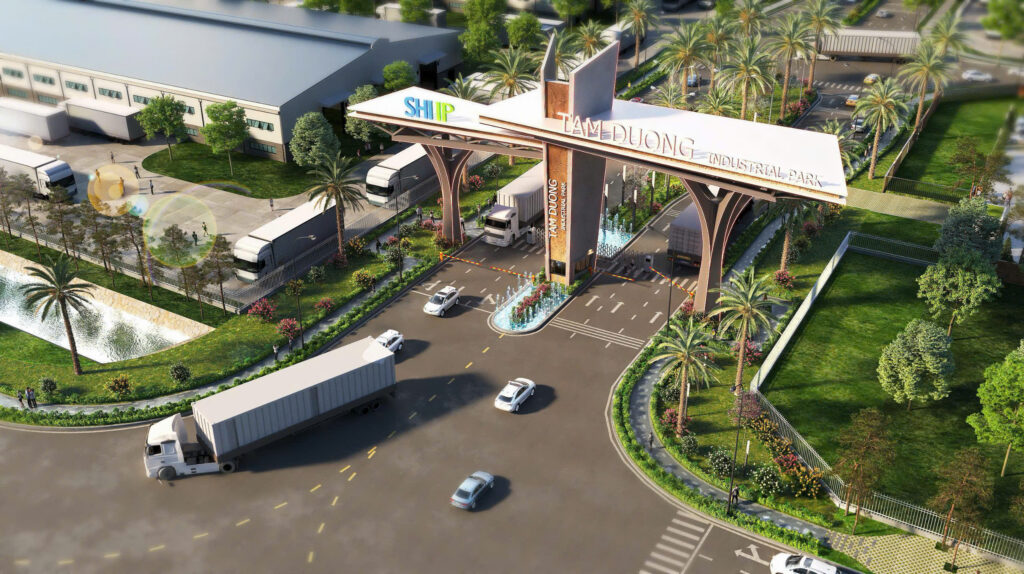
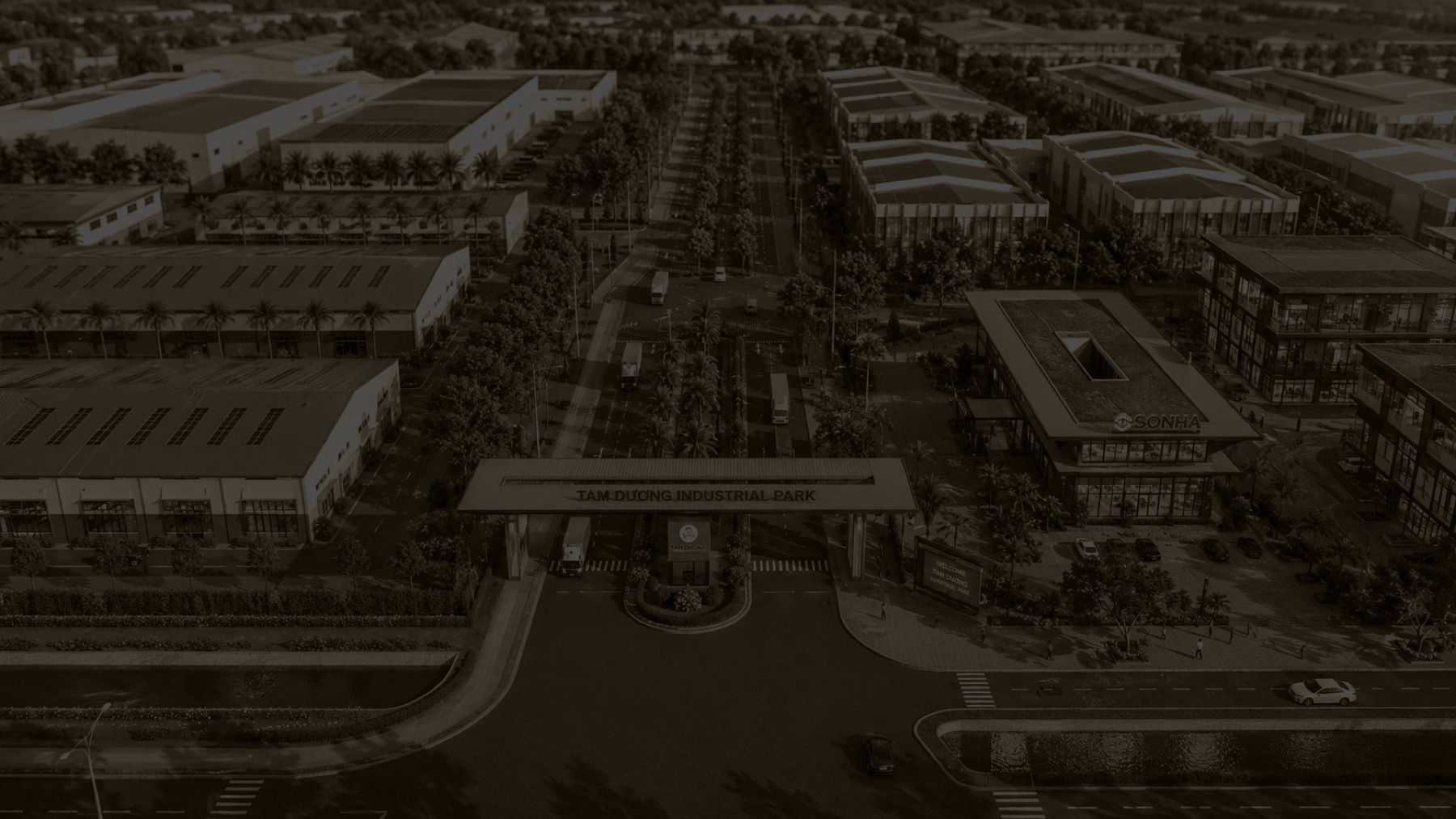
Contact Tam Duong Industrial Park today to receive detailed information about available industrial land and a completely free quotation.